Modern organizations can spearhead growth by utilizing industry GIS applications to gain valuable insights and make well-informed location-based decisions for development and expansion. This location intelligence equips telecom developers with granular, data-driven insights that reduce variables, streamline network design and construction workflows, and lower end-to-end operational costs. In turn, GIS applications featuring accurate GIS telecom data become important and strategic tools in infrastructure development throughout many industries by combining physical assets, valuable data, and operations.
1. Telecommunications
The first step towards successful network planning/operation is GIS telecom data. Telecommunications operators can use this data to map physical assets of a region before executing plans for expansion or infrastructure updates.
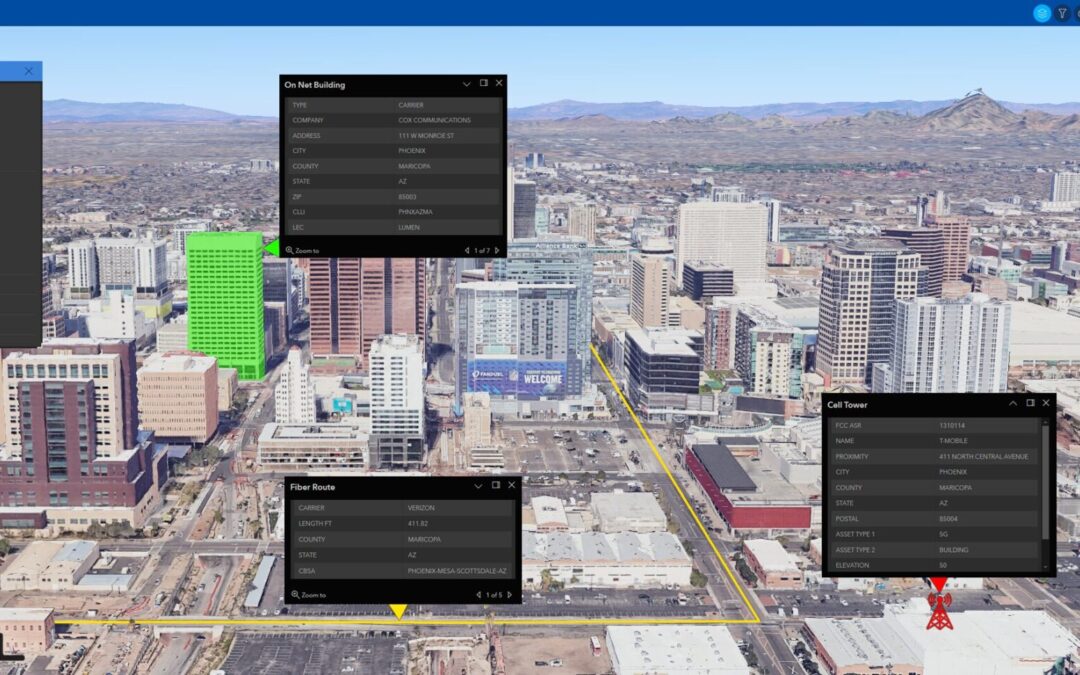
Geospatial dashboards (interactive maps) can integrate GIS telecom data and overlay traffic data to note demand and congestion, weather data for areas prone to storms or outages, and usage patterns to reveal site activity. This utilization of data creates opportunities for faster builds, fewer edits, and more efficient field operations. This level of location intelligence in one interactive tool helps teams prioritize where to expand or reinforce links.
2. Utilities & Energy
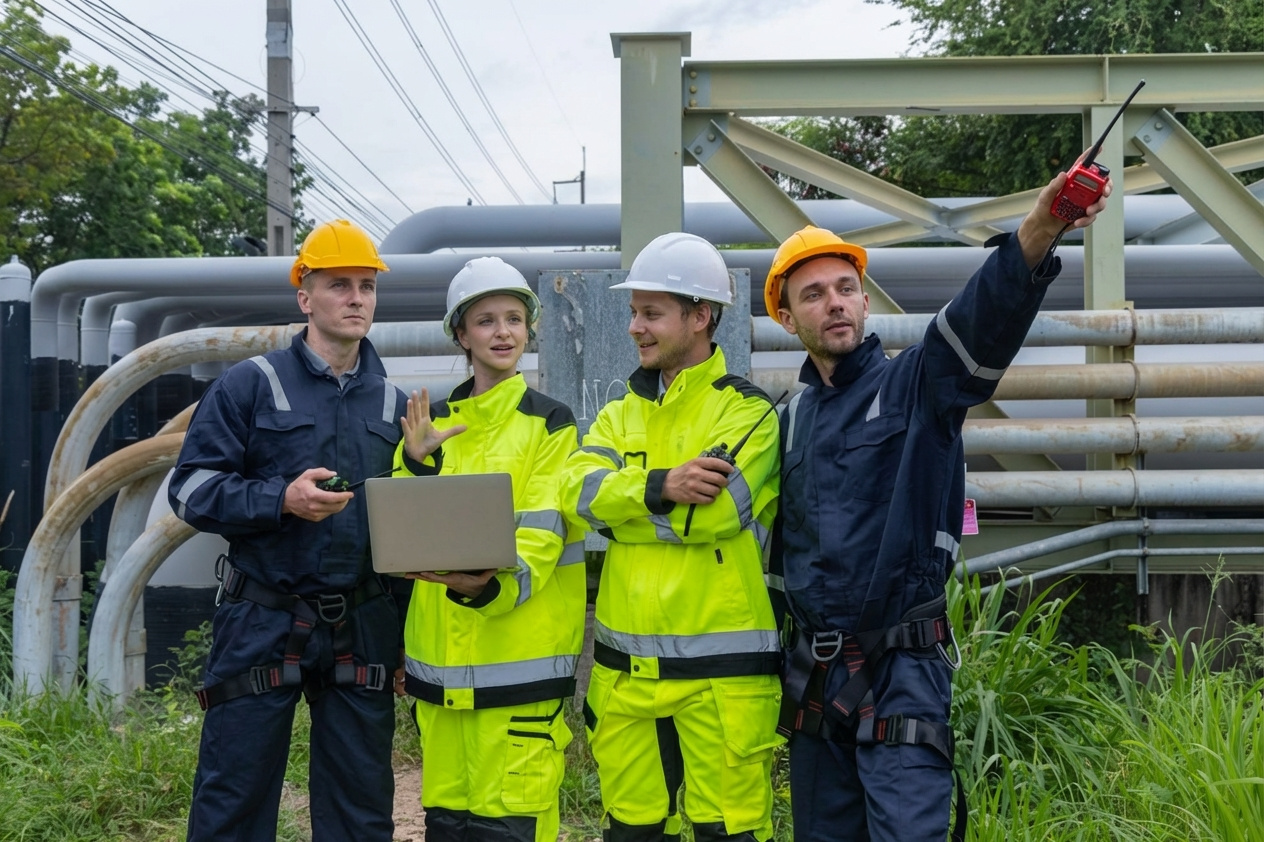
Utilities are among the most GIS‑intensive sectors. When teams are faced with figuring out grid reliability and asset management, especially in environments where fiber-backed SCADA and smart grid systems depend on telecommunication network reliability, GIS telecom data steps in to play a critical role in the design process.
For example, utility companies for electric, gas, and water utilize GIS combined with telecom infrastructure, sensor networks, drones, and LiDAR to help monitor regional usage, predict supply issues, and be prepared for disruptions from the surrounding ecosystem. Furthermore, digital twins support storm simulations, telecom backups, power rerouting, and dynamic maintenance planning, while predictive resilience models help protect critical infrastructure in disaster-prone regions
3. Data Centers
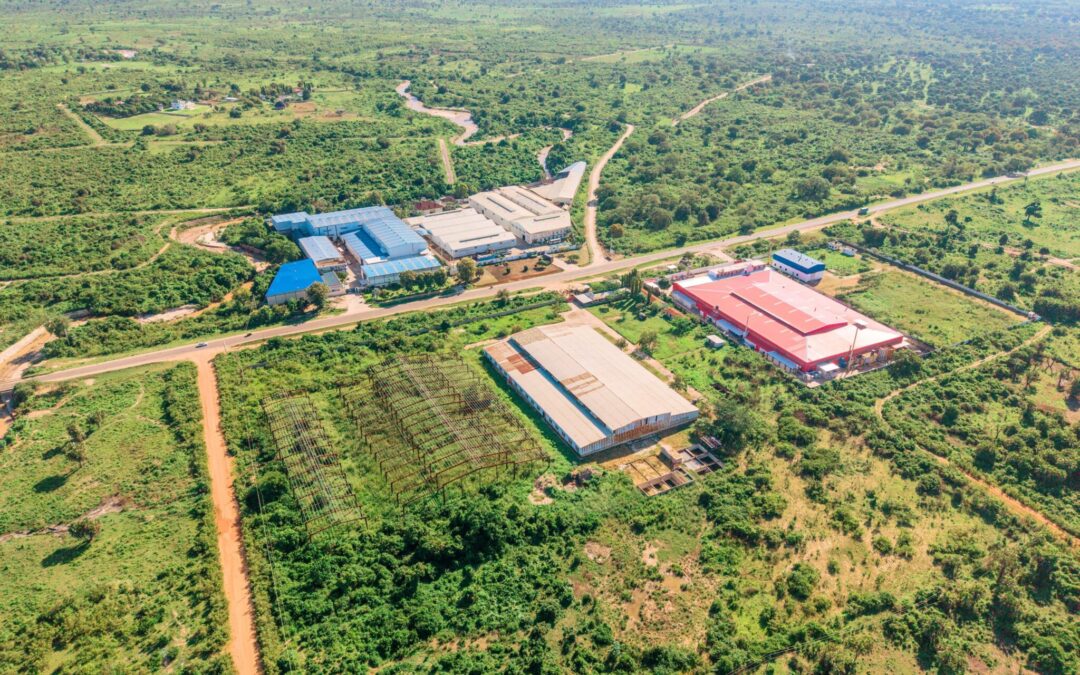
In 2026, GIS has revolutionized the data center industry by turning site selection, infrastructure planning, and expansion decisions into faster, data-driven workflows instead of slow, manual searches. GIS is now helping developers rank thousands of locations, model utility and fiber access, and build 3D digital twins that let teams test layouts before they commit to land or construction.
4. Government & Public Safety
Governments are increasingly relying on location-based data for emergency response, disaster mitigation, and long‑term infrastructure planning. Today, agencies at every level rely on high‑detail imagery (such as up-to-date aerial maps), LiDAR mapping, and networked sensors to better understand natural disaster threats and monitoring.
5. Real Estate, Smart Cities & Urban Planning
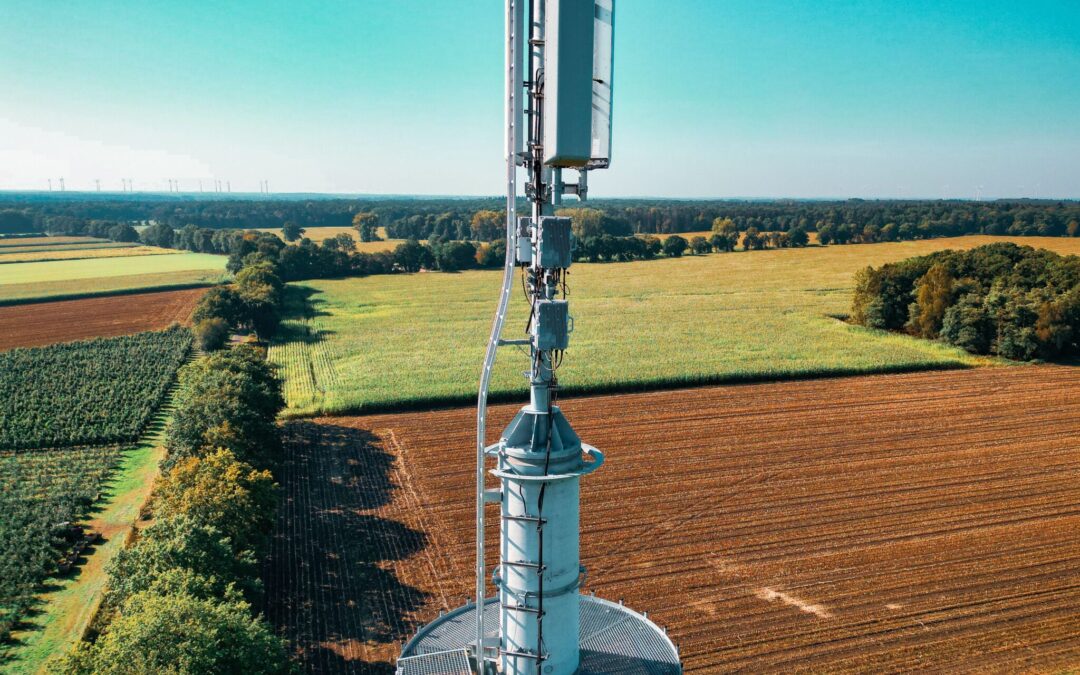
GIS-powered command centers use GIS telecom and utility data to display live traffic, cell tower status, utility outages, and critical facility locations on a single map. This improves coordination during hurricanes, wildfires, and other crises, shortens response times, and enforces community well-being. For public safety and drone-based operations, GIS-driven automation reduces manual data processing, allowing analysts to focus on decision-making rather than drafting.
GIS telecom data is essential for real estate and urban planning. Cities and developers worldwide use this information to map fiber availability, declare zoning for permitting, predict traffic patterns, determine housing needs, and provide broadband access in one convenient image.
Developers and municipalities combine layers of data (for fiber availability) with parcel boundaries, zoning laws, and demographic trends to decide where to break ground on building projects. This reduces the guessing in development and ensures that communities are “broadband‑ready” from day one.
For example, Fiber Lit Buildings in smart cities leverage GIS telecom data to prioritize sites where high-speed connectivity can drive tenant value and future-ready infrastructure. As predictive planning becomes more common, GIS-driven models are shaping a wider range of infrastructure decisions, guiding everything from school placement to cellular tower density.
How GeoTel Leverages GIS Telecom Data with Industry GIS Applications
Regardless of the type of industry, GeoTel’s telecom solutions help organizations visualize, analyze, and efficiently act on GIS telecom data. As discussed, this data is essential for planning fiber routes, coordinating field crews, integrating with utilities and smart‑city systems, and more.
As GIS trends gain traction (cloud-based analytics, AI-augmented workflows, and more), GeoTel enables partners to use industry GIS applications to build smarter, faster, and more resilient networks through accurate, up-to-date GIS telecom data.
Contact a GeoTel specialist to harness GeoTel’s GIS telecom data solutions and gain momentum through the 2026 industry revolutions.