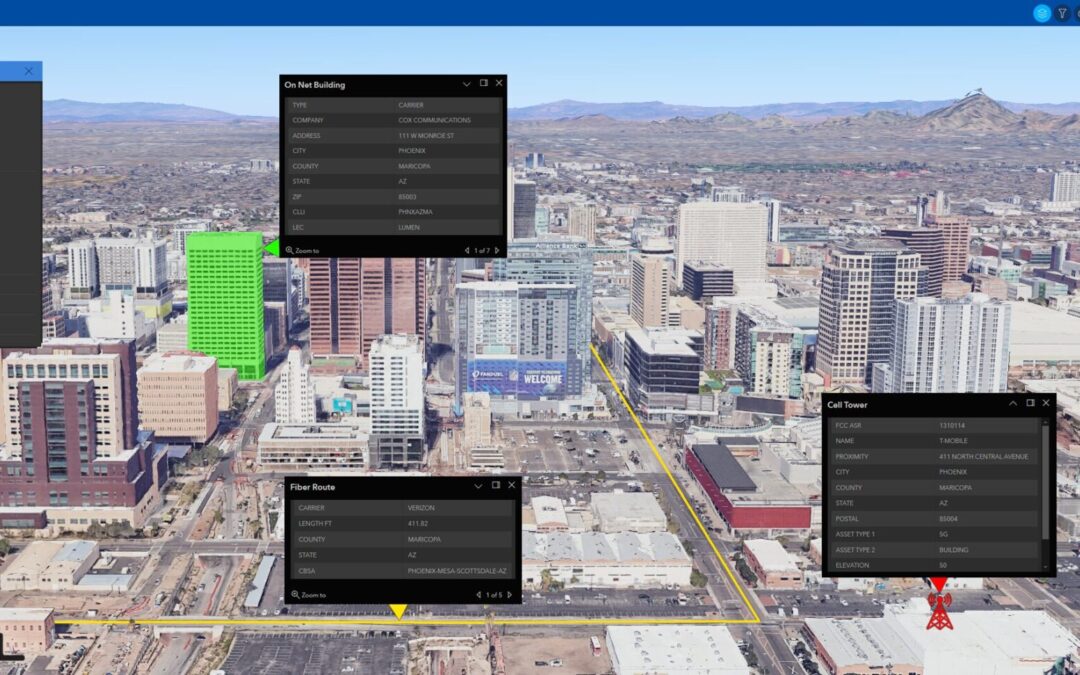
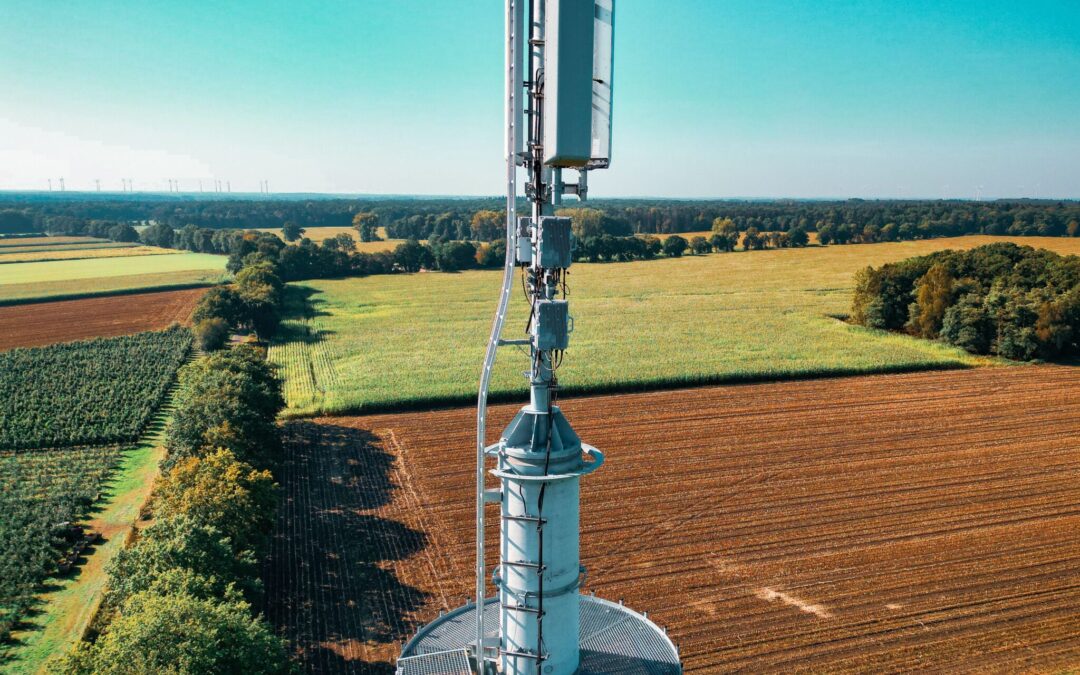
Where a data center is built decides almost everything about how well it runs. The right site delivers cheap power, fast fiber, and low risk; the wrong one locks in higher costs for decades. Telecom data is what lets a developer see those trade-offs before committing, mapping connectivity, power, and hazards across every potential site. This guide explains how telecom data powers smarter data center siting and the key factors that separate a great location from a costly mistake.
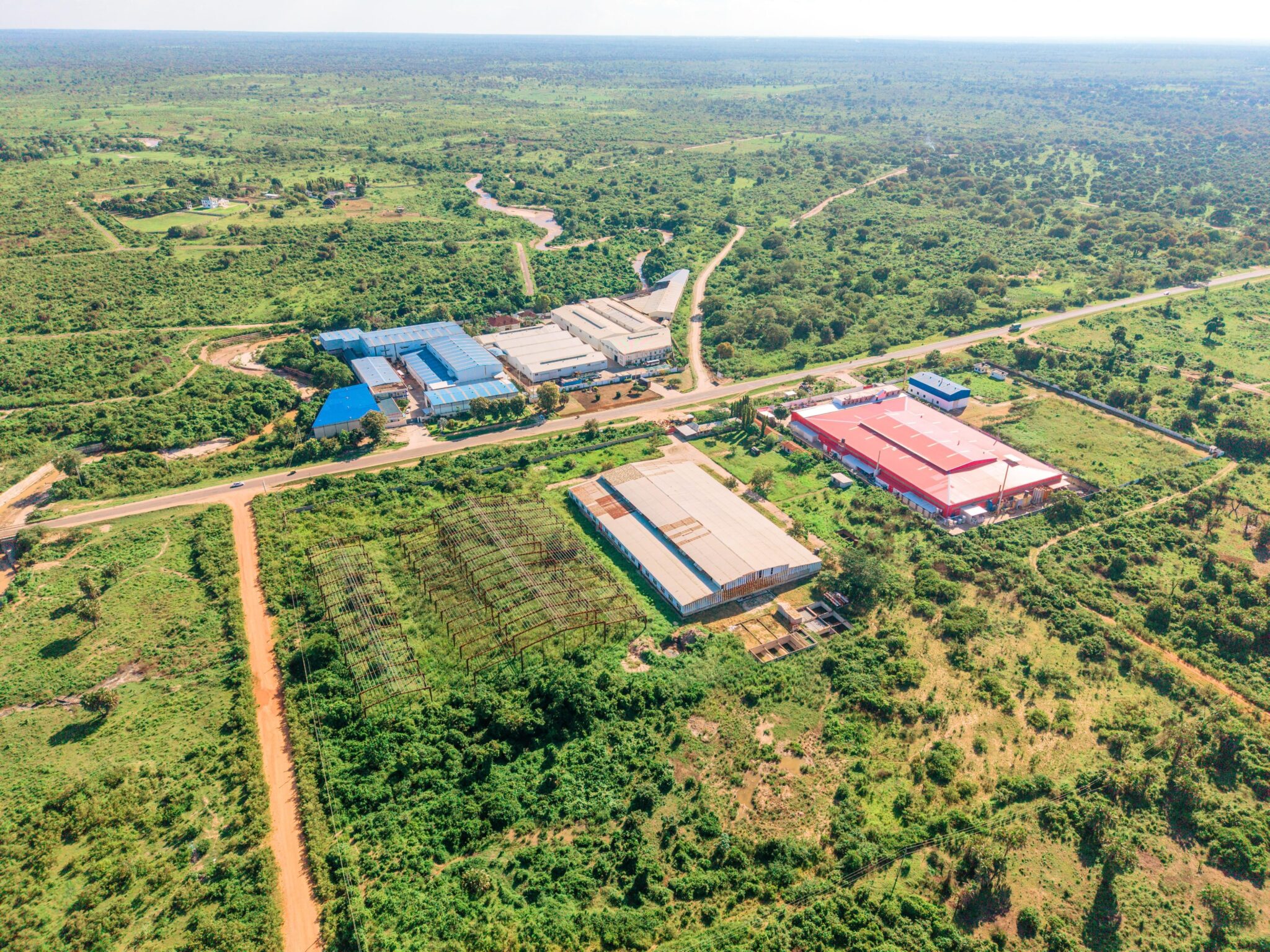
A data center’s location decides its cost, connectivity, and risk for decades. Photo: torkildr (CC BY-SA).
Telecom Data for Data Center Site Selection
Telecom data for siting a data center is the mapped record of fiber routes, carrier hubs, and power infrastructure that a developer overlays on candidate locations. Instead of judging a site by price alone, telecom data shows how well each location connects to the network, how reliable its power is, and what risks surround it. For this decision, that visibility turns a high-stakes guess into a measured decision.
The payoff is fewer surprises. With accurate telecom data, a data center developer can rank every potential site on connectivity, power, and risk, and choose the best site with confidence rather than discovering a fatal flaw after construction begins.
Why Site Selection Is Critical for Data Centers
Site selection is the single most important decision in data center development. A data center facility is a multi-decade, capital-intensive asset, so the data center site selection process must weigh several factors at once — connectivity, power, climate, cost, and community. Getting the location wrong is expensive to undo.
This is why operators treat data center site selection as a discipline, not a hunch. By scoring each potential site against the same critical factors, a developer aligns the choice with its growth plans rather than reacting to whichever parcel is cheapest today.
Network Connectivity and Major Network Hubs
Connectivity is the first thing telecom data reveals, and it is decisive. A data center lives or dies on connectivity, so proximity to major carrier hubs and dense fiber routes is a top criterion. Sites near major cloud on ramps give tenants fast access to the leading platforms, while distance from those hubs adds latency and cost.
Telecom data maps exactly where the network hubs and fiber sit. A site close to carrier interconnects, and redundant fiber lets cloud providers and cloud services connect quickly, and redundancy from diverse fiber paths protects against a single cut. The right network equipment and carriers nearby make a data center far more attractive to tenants.
Power Availability, Energy Costs, and Reliability
Power is the second pillar of siting. Available network connectivity determines whether a site can scale at all, and energy costs dominate operating budgets, so affordable power and predictable energy markets are decisive. A site with cheap, abundant power and strong power reliability beats one with cheaper land but weak power delivery.
Telecom and infrastructure data expose the power picture. They flag grid bottlenecks that could delay power delivery, highlight regions with renewable energy and renewable energy sources nearby, and show where on-site generation or fuel cells can backstop the grid. Energy efficiency and lower cooling costs follow from picking a site where power and climate work together.
| Site selection factor | What telecom data reveals | Why it matters |
| Network connectivity | Carrier fiber routes, Fiber Lit Buildings, cell towers | Accessibility, redundancy |
| Power availability | Grid access, energy costs, renewable energy | Cost and scalability |
| Risk | Natural disaster risk, severe weather, local climate | Business continuity |
| Cost and incentives | Land costs, tax incentives, total cost | Long-term ROI |
Data Center Operations and Business Continuity
A site must support smooth data center operations for decades. Redundant fiber, backup power, and stable infrastructure keep uninterrupted operations possible even when one system fails, which is the heart of resilience. A location prone to outages threatens both operations and reputation.
Telecom data helps protect that continuity. By mapping redundant fiber and power paths, a developer can confirm a potential site supports the operational efficiency and resilience that modern data center operations demand, keeping operational costs predictable over the asset’s life.
Climate, Natural Disasters, and Environmental Impact
Risk is where many sites fail. The local climate affects cooling costs year-round, and natural disaster risk — floods, quakes, and extreme weather events — can threaten an entire data center. Smart site selection screens out high natural disaster risk early and favors a local climate that lowers cooling load.
Environmental impact matters too. A responsible developer weighs the environmental impact of construction and operation, choosing sites where extreme weather is rare and where the build’s footprint on land and water is acceptable to regulators and the community.
Land, Construction, and Total Cost
Cost is more than land. Land prices, construction timelines, and the price per square foot all feed the cost of ownership, and a cheap parcel with a long build schedule can cost more than a pricier but shovel-ready one. Greenfield sites offer flexibility but often need new power and fiber.
Weighing total cost against cost efficiency is the goal. By comparing land costs, build cost per square foot, and connection costs across different locations, a developer finds the site with the best overall value rather than the lowest sticker price.
Tax Incentives, Community Support, and Economic Growth
Local conditions can tip the decision. Many regions offer tax incentives to attract data center projects, and those tax incentives can dramatically improve a site’s economics. Community support matters just as much — a project that brings job creation and economic growth wins faster approvals.
Local stakeholders shape the outcome. Where local stakeholders see job creation, a skilled workforce, and economic growth, community support follows; where they fear strain on resources, even a great data center site can stall. Reading these dynamics is part of modern siting.
Workforce, Location, and Day-to-Day Realities
A data center also has to be staffed and supplied. Staffing considerations push some operators toward urban centers with a deep talent pool, while others accept a remote site for cheaper power and land. Either way, a data center needs nearby emergency services and road access, because uninterrupted operations depend on people and responders reaching the data center fast.
These practical factors shape operational efficiency. A data center near urban centers may pay more for land but gain staffing and emergency services; one far away must plan for natural disasters and self-sufficiency. Pairing renewable energy sources with on-site generation can keep a remote data center running during natural disasters, preserving operational efficiency when the grid fails.
Data Security and Data Sovereignty
Some workloads add another layer of concern. A data center handling sensitive data needs strong physical access control and a location that supports sovereignty rules, so the site must sit in a jurisdiction whose laws fit the tenant’s needs. Critical infrastructure designations can also affect what may be built and where.
Telecom data helps here, too, by showing which locations sit near trusted carriers and secure routes. For sensitive data and regulated industries, pairing data security and data sovereignty with strong connectivity is non-negotiable.
Choosing the Right Site
In the end, choosing the right site means scoring every potential site against the same key factors. A disciplined siting process compares different locations on connectivity, power, risk, cost, and incentives, then ranks them so the best new data center location rises to the top.
Telecom data is the thread through all of it. Whether evaluating a single data center facility or a portfolio of data center projects, mapping the network, power, and risk for each potential site is what turns a long list into a confident choice — and feeds the wider industry ecosystems and digital infrastructure that depend on getting these decisions right.
How GeoTel Telecom Data Supports Data Center Site Selection
Assembling the telecom data behind a smart site decision is hard, which is where a specialist helps. For more than 23 years, GeoTel has built some of the largest and most accurate datasets of telecom infrastructure available — fiber routes, lit buildings, and network hubs — delivered as GIS layers ready for analysis. With this data, developers can rank every potential site on connectivity and infrastructure rather than guesswork, and confirm the right site before they build. As a global leader in telecom mapping with innovative solutions, GeoTel helps teams find sites that meet their business objectives. For related reading, see our guides to GIS mapping for telecom network planning and accurate telecom datasets for network investment.
Frequently Asked Questions
What is telecom data for data center siting?
It is the mapped record of fiber routes, network hubs, and power infrastructure that a developer overlays on candidate sites. Telecom data shows how well each data center location connects, how reliable its power is, and what risks surround it, so site selection is based on facts. All these factors are available within GeoTel’s SaaS, TeleTracker.
What are the key factors in data center site selection?
The critical factors are telecom connectivity, power availability, natural disaster risk, local climate, land costs, total cost, tax incentives, community support, and data security. The siting process weighs all of them against growth plans.
Why is network connectivity so important for a data center?
A data center depends on network links to major hubs and carrier interconnects. Proximity and network redundancy give tenants direct access to cloud providers and protect against fiber cuts, which is why it is a top site selection factor.
How does the power supply affect a data center site?
Power availability and energy costs dominate operating budgets, so a data center location needs affordable power, strong power reliability, and room to grow. Telecom and grid data flag grid congestion and highlight renewable energy and on-site generation options.
How does telecom data reduce site selection risk?
By mapping connectivity, power, and natural disaster risk for every potential site, telecom data lets developers compare different locations on the same critical factors and choose the right data center site, protecting business continuity and lowering total cost.
Learn more about how to access essential telecom data for data center site selection by contacting the telecom data specialist at GeoTel.